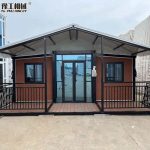
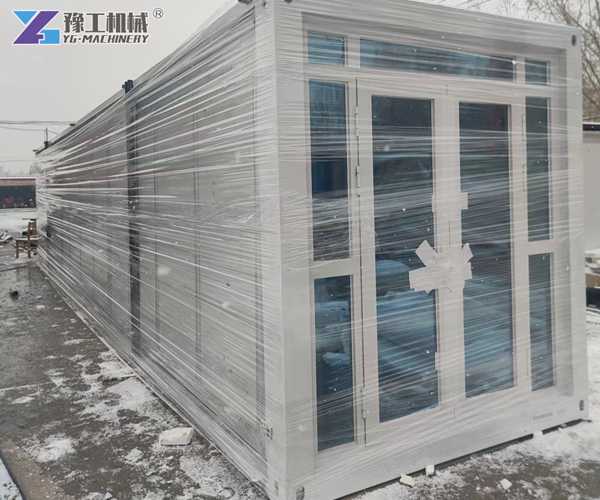
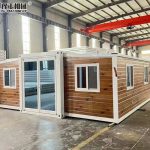
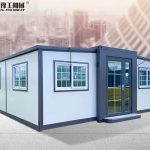
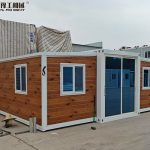
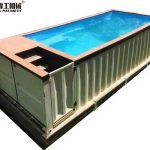
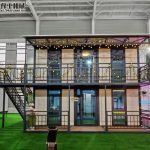
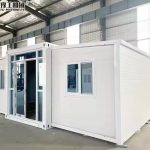
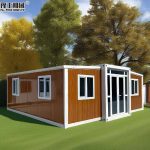
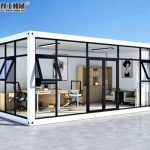
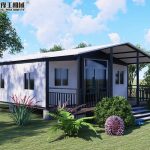
The Container House on Wheels is becoming a popular solution for mobile living and temporary buildings. Many businesses and individuals want buildings that are flexible, quick to deploy, and easy to relocate. Traditional construction usually requires land approval, long building periods, and high costs.
A mobile housing unit solves many of these problems. A container house equipped with wheels can be transported to different locations and installed quickly. In many regions, it is considered a movable structure instead of a permanent building.
This makes it attractive for projects that require speed and flexibility.
Many users choose this solution because it offers several benefits:
Faster deployment compared with traditional buildings
Easy relocation between different work sites
Lower construction and labor costs
Reusable housing units for multiple projects
Because of these advantages, mobile container houses are widely used in construction, tourism, emergency housing, and remote work camps.
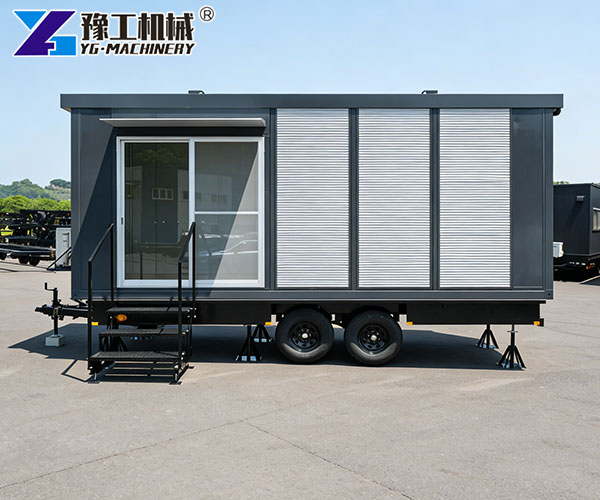
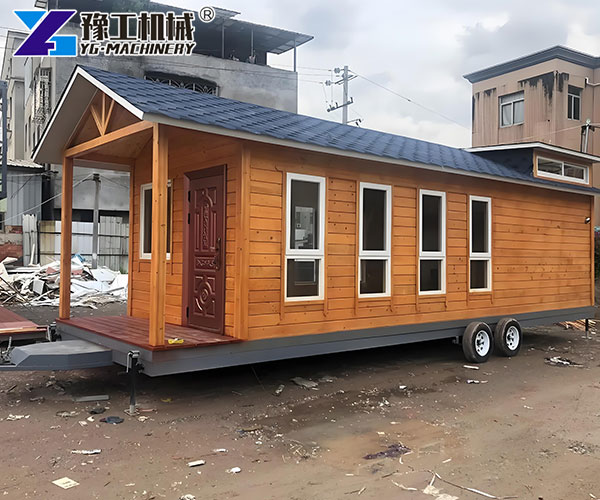
A Container House on Wheels is a mobile housing unit built with a steel container structure installed on a wheeled chassis or trailer platform. It combines the strength of container buildings with the mobility of trailer systems.
Unlike traditional houses that require a concrete foundation, this type of housing can be moved and installed quickly.
Most container houses include basic living facilities, such as:
insulated walls and roof
electrical system and lighting
water supply and drainage
doors and windows
optional kitchen and bathroom
Because of these features, many users treat it as a portable container home that can be used for living, working, or commercial activities.
There are two main structural types of container houses on wheels. Each design focuses on different needs and application scenarios.
Understanding these differences helps buyers choose the right solution.
Standard Container House On Wheels
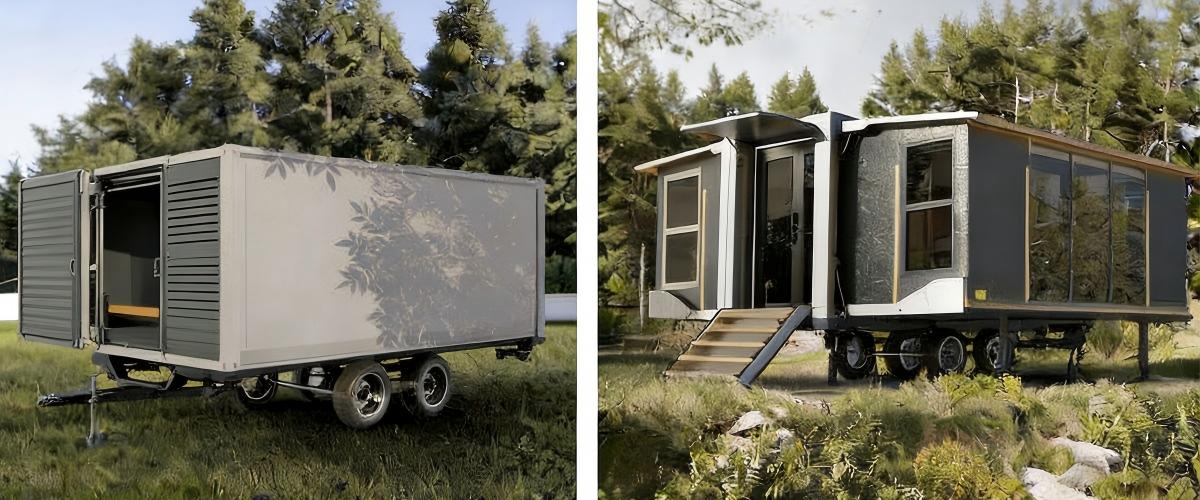
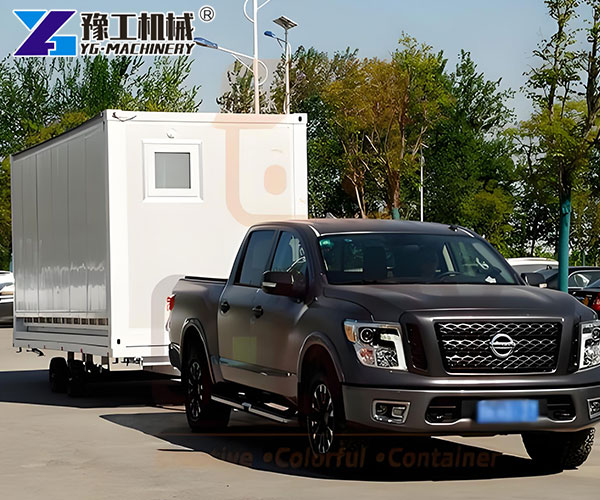
The standard type is based on a 20ft or 40ft container structure mounted on a wheel system or trailer chassis.
Its main structural features include:
standard 20ft / 40ft container structure
mounted on trailer chassis or wheel sets
durable steel structure
designed for temporary accommodation or offices
This design focuses on durability and simple construction rather than expandable space.
Three common forms are widely used.
Trailer Chassis Integrated Type
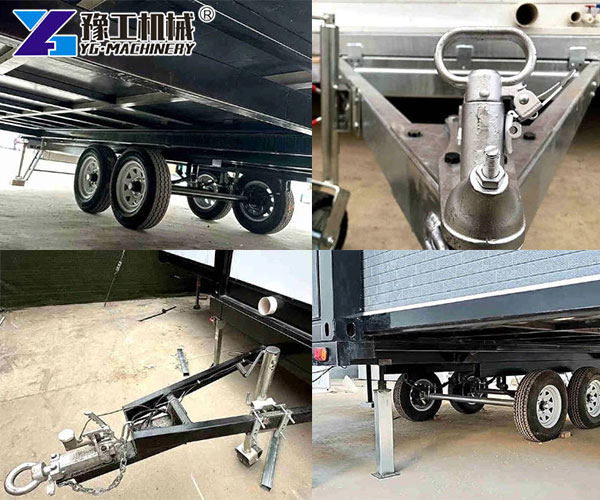
The container is fixed on a heavy-duty trailer frame with towing hooks, braking systems, and lighting equipment. It can be transported by a towing vehicle and placed independently after arrival.
Caster Wheel Site-Moving Type
This model uses detachable caster wheels and is mainly used for short-distance movement inside a work site. It is common in construction camps, exhibition booths, and temporary offices.
Off-Road Mobile Container House
This version is mounted on an all-terrain chassis with higher ground clearance. It is designed for harsh environments such as mining areas, desert exploration, and remote field operations.
Key advantages of this structure include:
high durability
simple mechanical structure
easy maintenance
suitable for harsh environments
Expandable House Trailer (Folding Mobile House)
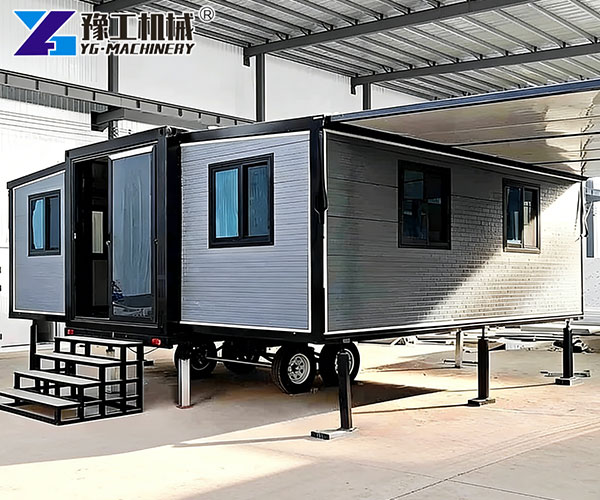
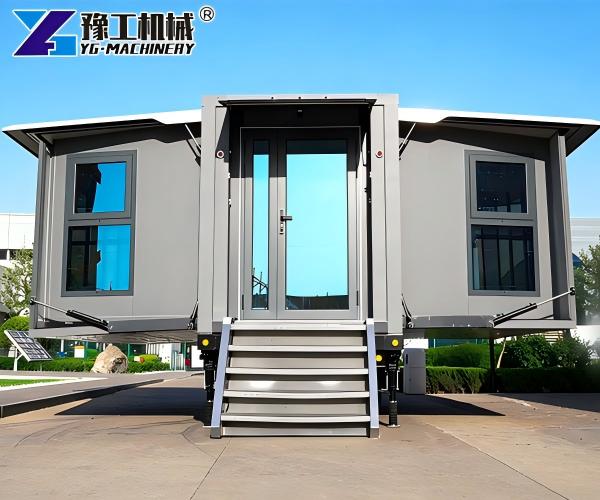
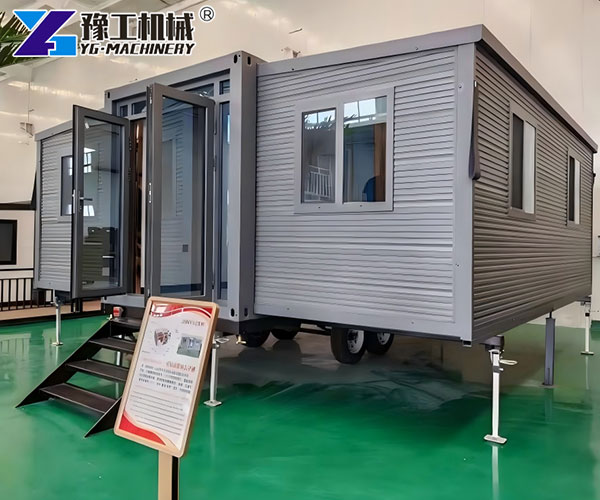
The expandable house trailer is a more advanced mobile housing solution. It combines trailer mobility with an expandable living space.
This design is also widely known as a tiny house on wheels in many countries.
Its core design includes:
folding side wall structure
expandable living area
road-legal trailer design
mobile home without planning permission in many regions
During transportation, the house remains compact and within road width limits. After reaching the site, the side walls can be expanded to create a larger interior space.
After expansion, the living area offers clear advantages:
living space increases 1.5–2 times
expanded width can reach 4–6 meters
more comfortable layout for long-term living
Because of this flexible design, the expandable house trailer is widely used in tourism cabins, mobile homes, and remote work accommodations.
Key Features Of A High-Quality Container House On Wheels
A reliable Container House on Wheels should offer durability, comfort, and easy installation. Several features are important when evaluating product quality.
Durable Steel Structure
The frame is usually made from Q235 or Q355 structural steel, which provides strong load capacity and long service life.
Typical structural materials include:
Q235 / Q355 steel frame
insulated sandwich wall panels
corrosion-resistant surface coatings
These materials allow the structure to resist strong winds and harsh outdoor conditions. Many units can withstand wind levels above Level 10.
Comfortable Living Facilities
Modern container houses can include full living facilities, allowing them to function as comfortable housing or offices.
Common configuration options include:
thermal insulation walls
electrical wiring and lighting systems
water supply and drainage systems
bathroom and kitchen facilities
air conditioning or heating systems
With these features, the unit can function as a comfortable portable container home suitable for short-term or long-term use.
Easy Transportation And Setup
Another major advantage of mobile container houses is the fast installation process.
The typical setup process includes:
Move the house to the site using a towing vehicle
Lower and level the support legs
Expand the structure if it is an expandable model
Connect the electricity and water systems
In most situations, the house can be ready for use within 1–2 hours.
Selecting the right mobile container house requires evaluating several key factors.
Mobility Needs
First, consider how often the unit needs to move.
Examples include:
short-distance movement within a site
long-distance towing between cities
Different trailer designs support different mobility requirements.
Living Space Requirements
Interior space is another important factor.
Users can choose between:
fixed container housing units
expandable trailer houses
Expandable models provide larger interior space after deployment.
Local Regulations
Local rules can affect installation and usage.
Important aspects include:
trailer registration regulations
parking permission requirements
land usage policies
Understanding these regulations helps avoid legal issues.
Why Businesses Choose Container Houses On Wheels
Businesses prefer mobile container housing because it offers flexible and cost-efficient infrastructure.
Key advantages include:
rapid deployment for projects
reusable housing assets
reduced construction costs
flexible relocation between locations
Industries that commonly use these solutions include:
construction companies
tourism operators
mining camps and field work bases
These sectors often require buildings that can be moved as projects change.
Container Houses On Wheels Manufacturer: YG Machinery
YG Machinery provides professional solutions for Container House on Wheels used in construction, tourism, and mobile housing projects.
These mobile structures provide several advantages:
flexible mobility
efficient deployment
expandable living space
reduced construction restrictions
Among all designs, the expandable house trailer is currently one of the most popular options. It offers both mobility and a comfortable living space and is especially suitable for regions where users require mobile home no council approval solutions.
YG Machinery focuses on durable steel structures, reliable trailer chassis systems, and customizable interior layouts to meet different project requirements.