A Dust Suppression Truck is no longer an optional tool on modern work sites. Dust directly affects construction speed, machine lifespan, and worker health. When dust levels rise, visibility drops, engines and filters wear faster, and workers face long-term breathing risks. Common dust problems appear on construction roads, material yards, mining areas, and demolition sites where vehicles and loaders move all day. In these open environments, manual watering or single spray points cannot keep dust under control for long. Water dries fast, coverage is uneven, and workers must repeat the job many times. This is why more contractors now use a Dust Suppression Truck as a mobile and reliable solution to control dust across large and changing work areas.
What is A Dust Suppression Truck
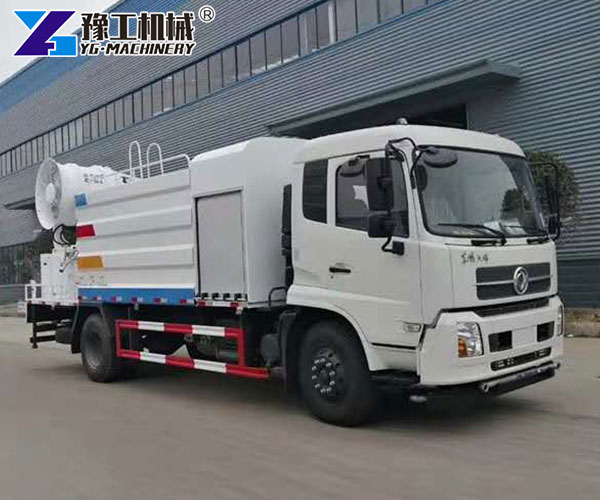
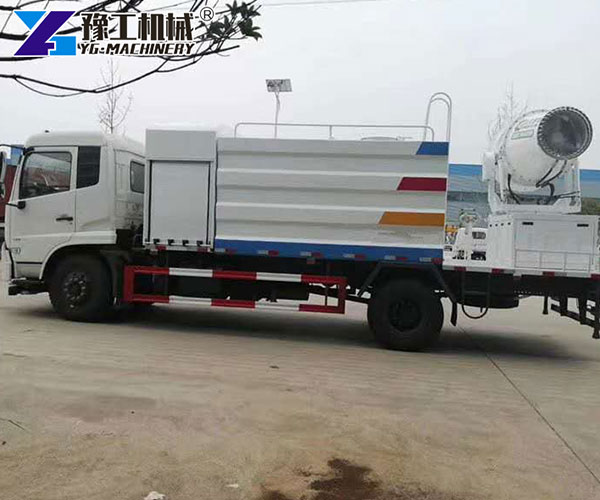
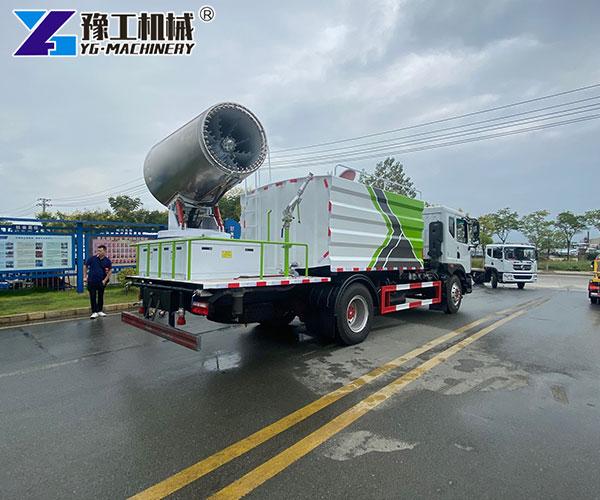
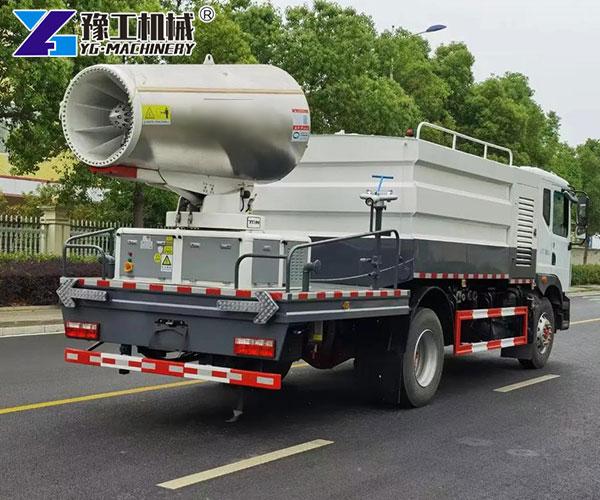
A Dust Suppression Truck is a special vehicle designed to reduce airborne dust by spraying water or fine mist over dusty surfaces. It is built as a complete working system, not just a water tank on a truck.
The main parts usually include:
- A large water tank for continuous operation
- A spray system with front, rear, or side nozzles
- A power unit that drives pumps and controls pressure
The working principle is simple. Water is sprayed at low or high pressure to form droplets or mist that bind dust particles and pull them back to the ground. Compared with a normal road watering truck, a dust suppression truck focuses more on spray control, coverage width, and water efficiency. It is designed to control dust, not just clean roads.
Parameters of Dust Suppression Vehicle
| Vehicle dimensions (length × width × height, mm) | 6700×2200×2900mm |
| gross mass Kg | 8280 |
| Rated load capacity kg | 3000 |
| curb weight kg | 5100 |
| Total tank volume in m³ | 5 |
| Engine Model/Manufacturer | Morning Chaoyang CY4102BZLQ |
| Engine displacement (ml) / Power (kw) | 88 |
| Maximum spray width m | 12 |
| Maximum spray gun range in meters | 25 |
| Fog bomb model | WF40 |
| Maximum horizontal range m | 30 (indoor, windless) |
| Total power of the gasoline generator set (kw) | 8 |
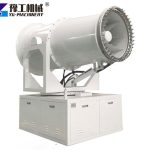
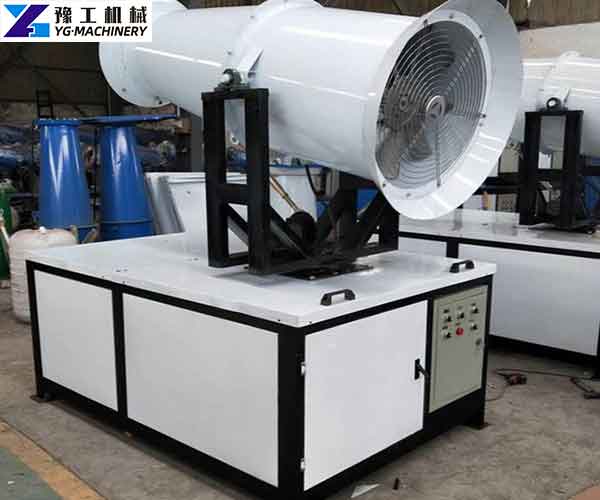
| The system is equipped with front spray, rear spray and high pressure water gun with 30 m fog cannon. | |
When selecting a Dust Suppression Truck, buyers should focus on features that affect real performance, not just technical numbers.
Important points to consider include:
- Water tank capacity, which decides how long the truck can work without refilling
- Spray range and coverage width, which affect how much area is controlled in one pass
- The number of spray nozzles and adjustable angles, which help target different dust areas
- Chassis adaptability, whether for rough mining roads or city streets
- Control system and maintenance access, which reduces downtime and training costs
These features directly influence efficiency, water use, and daily operating cost.
Typical Applications Of A Dust Suppression Truck
An industrial dust control truck is widely used because it can adapt to many real working conditions. It is especially useful where dust sources are constantly changing or relocating.
Common application areas include:
- Construction site roads with heavy truck traffic
- Mining and quarry working zones
- Earthmoving projects and material transfer routes
- Urban road construction and demolition projects
In mining and quarry sites, the dust control water truck helps reduce dust from hauling roads and crushing areas. On construction sites, it keeps access roads safe and visible. Because it can move freely, one vehicle can serve multiple dust points during a work shift.
Advantages Of A Mobile Dust Suppression System
A mobile dust suppression system gives clear advantages compared with fixed dust control equipment.
Key benefits include:
- Fast movement to new dust sources
- One truck covering multiple work zones
- Lower investment than building fixed spray lines
- Easy use on temporary or changing job sites
For projects where dust points change often, a mobile system offers much higher flexibility and better overall control.
Why Many Contractors Choose A Dust Suppression Truck Over Fixed Systems
Many contractors compare a Dust Suppression Truck with fixed spray systems or fog cannon machines before buying.
Compared with fixed spray systems:
- No need for pipelines or permanent installation
- Easy relocation between different projects
- Lower setup time and site preparation
Compared with single-point fog cannons:
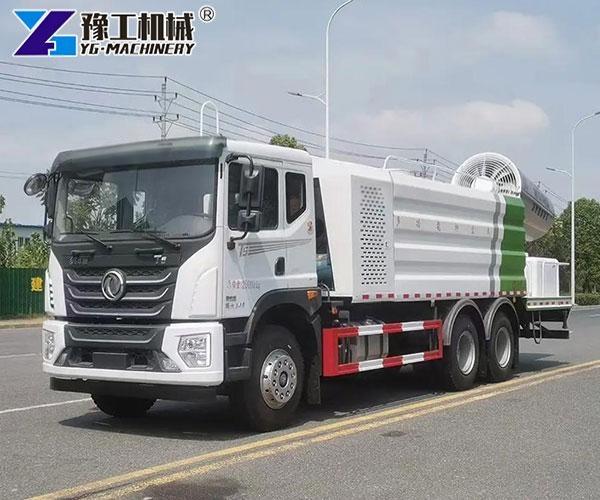
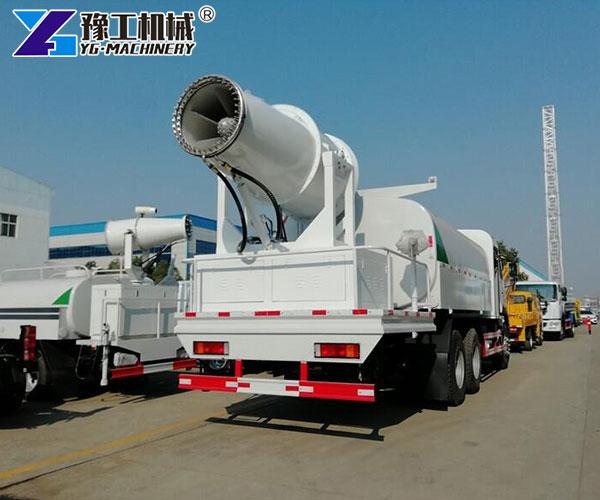
- Better coverage for long roads and open areas
- More effective for moving dust sources
- Less blind spots during operation
In open and linear working areas, such as haul roads or large construction sites, a mobile dust suppression vehicle for sale often provides more practical value.
Where A Dust Suppression Truck Is NOT The Best Choice
To make a fair decision, it is important to understand where a Dust Suppression Truck may not be suitable.
It may not be the best option in these situations:
- Fully enclosed indoor factories or warehouses
- Long-term fixed locations with no movement needs
- Sites with strict PM2.5 control that require filtration systems
- Areas with extremely limited water supply
In such cases, fixed systems or dry dust collection equipment may work better.
What To Check Before Buying A Dust Suppression Truck
Before choosing a dust suppression vehicle for sale, buyers should review their site conditions carefully.
Key questions to check include:
- Total working area and road length
- Average daily operating hours
- Availability and distance of water sources
- Ground conditions, slopes, and road quality
- Local environmental and emission rules
- After-sales service and spare parts support
Clear answers help match the truck size and configuration to real needs.
Who This Dust Suppression Truck Is Best Suited For
A Dust Suppression Truck is well-suited for:
- Construction contractors managing large sites
- Mining and quarry operators
- Municipal road and infrastructure departments
- Project teams needing fast dust control setup
YG Machinery provides after-sales support, including technical guidance, spare parts supply, and service assistance. This helps customers keep their dust control work stable over long-term use and across different projects.