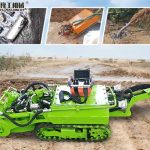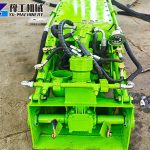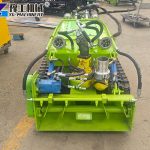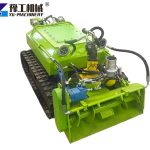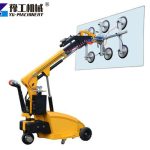
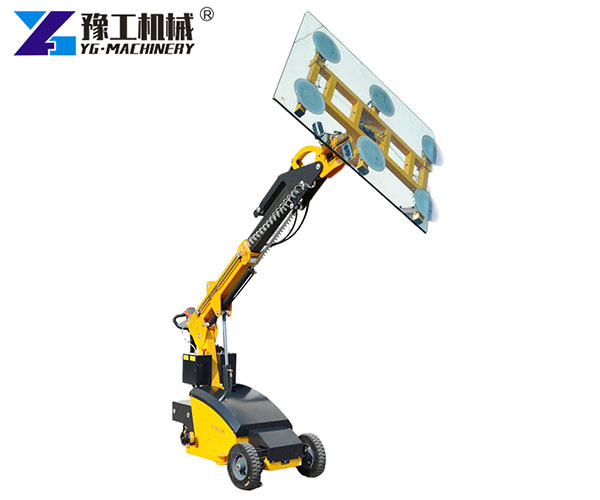
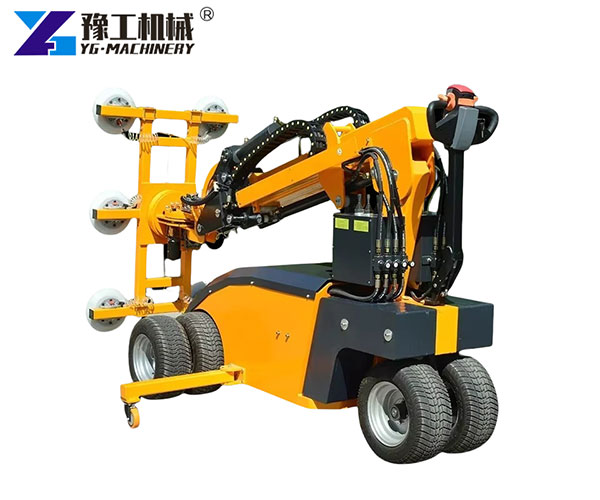
Installing large glass panels is one of the riskiest tasks on construction sites. Manual handling often leads to safety issues, low accuracy, and high labor pressure. A Glazing Robot changes this situation by combining vacuum lifting, stable movement, and precise control into one system. For modern buildings with large glass facades, this equipment helps teams work faster, safer, and with better results.
What Is A Glazing Robot
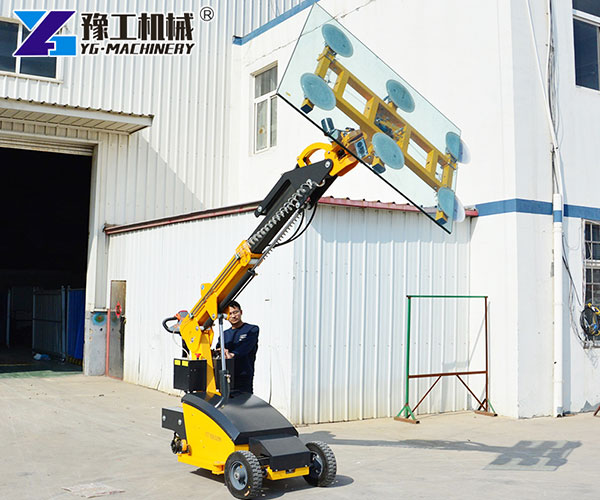
A Glazing Robot is a machine designed to lift, move, and position glass panels using a vacuum system and controlled movement. It replaces or supports manual labor during glass installation.
Construction sites use this equipment because:
- Large glass panels are heavy and hard to control by hand
- Safety rules are stricter on modern projects
- Accuracy is important for facade alignment
- Skilled labor is limited in many regions
Compared with traditional tools, a glazing robot offers stable handling and repeatable performance.
Product Specifications Of A Vacuum Glass Lifter
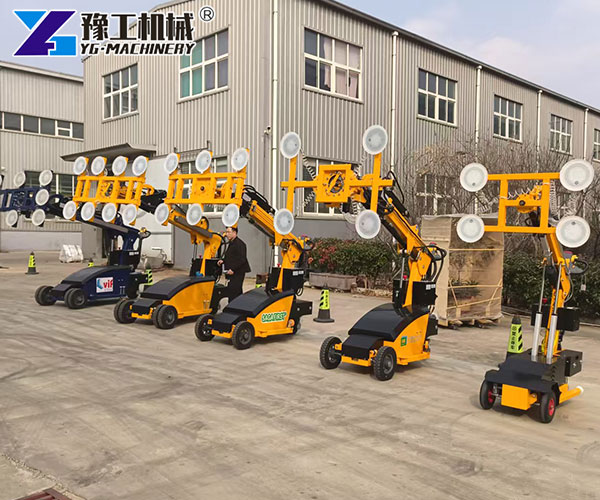
A vacuum glass lifter is defined by how well it handles real glass panels on site. Instead of fixed numbers, buyers should focus on usable capability.
| Model Type | YG-LD-300 | YG-LD-400 | YG-LD-500 | YG-LD-600 | YG-LD-800 | |
| Load Capacity | 300kg(retract)150kg(extend) | 400kg(retract)200kg(extend) | 500kg(retract)250kg(extend) | 600kg(retract)300kg(extend) | 800kg(retract)400kg(extend) | |
| Lifting Height | 3500mm | 3500mm | 3700mm | 3700mm | 4500mm | |
| QTY of Suction Cap | 4pcs | 4pcs | 6pcs | 6pcs | 8pcs | |
| Rubber Suction Cap | 300mm | Ø300mm | Ø300mm | Ø300mm | Ø300mm | |
| Maintenance-free Battery | 2x12V/80AH | 2x12V/100AH | 2x12V/120AH | 2x12V/120AH | 2x12V/120AH | |
| Battery Charger | Smart Charger | Smart Charger | Smart Charger | Smart Charger | Smart Charger | |
| Drive motor | 24V/1200W | 24V/1200W | 24V/1200W | 24V/1200W | 24V/1200W | |
| Lifting Motor | 24V/2000W/6L | 24V/2000W/6L | 24V/2000W/6L | 24V/2000W/6L | 24V/2000W/12L | |
| Chassis L*W | 2660*810mm | 2660*810mm | 2800*810mm | 2800*810mm | 2800*810mm | |
| Driving Wheel | Ø250x80mm | Ø250x80mm | Ø300x100mm | Ø300x100mm | Ø300x125mm | |
| Packing Size(mm) | 2560*1030*1700 | 2560*1030*1700 | 2580*1050*1700 | 2580*1050*1700 | 3000*1250*2300 | |
| N.W/G.W | 1100/1150kg | 1280/1330kg | 1300/1350kg | 1400/1450kg | 1600/1650kg | |
| Loading Qty | 1x20GP/40GP: 6SETS/12SETS | |||||
| Movement | Automatic(4 kinds) | 1. The suction cup frame flips 180° electrically. 2. The support plate automatically retracts. 3. Hydraulic arm lifts electrically. 4. The base of the whole machine moves 100-150mm horizontally. | ||||
| Manual (2kinds) | 1. The suction cup holder can be manually rotated 90 degrees (electrically powered, optional). 2. The suction cup holder can be manually rotated 360 degrees (electrically powered optional). | |||||
| Usages | Mainly used for the handling, movement, and installation of materials such as glass, marble, wood, iron plate, etc. | |||||
These parameters affect how safely and smoothly the machine works during daily installation.
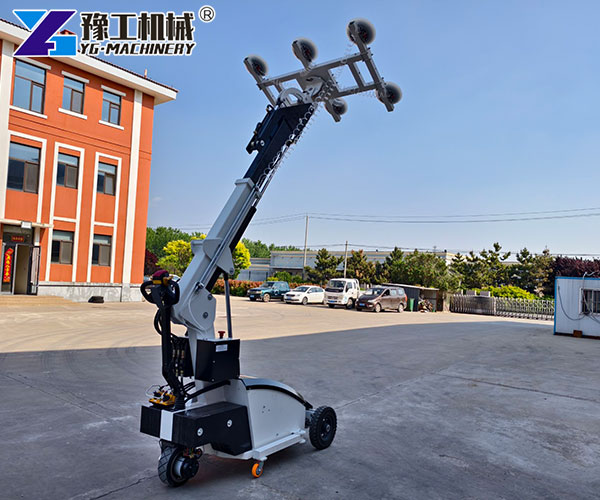
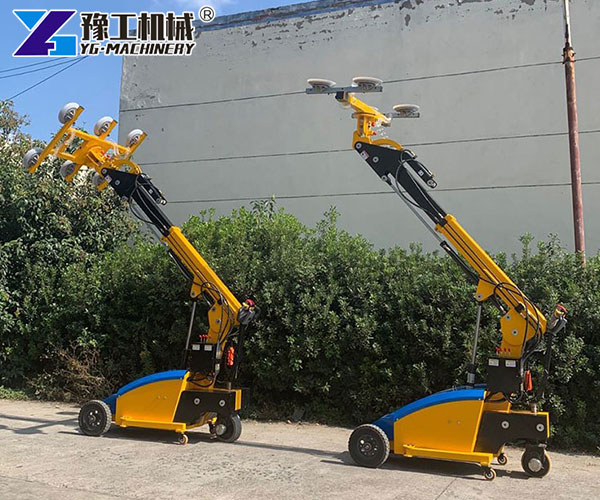
Typical Glass Installation Scenarios For A Glazing Robot
A glass installation robot is used where manual lifting becomes unsafe or inefficient. It is common on both indoor and outdoor projects.
- Commercial building curtain wall installation
- High-rise facade glass placement
- Indoor glass wall or large window installation
- Industrial buildings with heavy glass panels
In these situations, the robot improves control and reduces the risk of accidents.
Key Design Features Of A Professional Glazing Robot
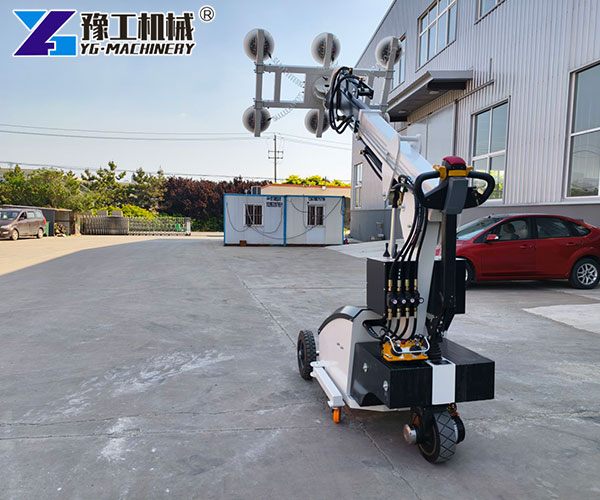
A glass handling robot is not just about lifting weight. Its design focuses on safety and control.
Main design features include:
- Strong vacuum system with real-time monitoring
- Smooth lifting and lowering movement
- Adjustable arms for different glass sizes
- Stable base for balanced operation
These features help operators place glass panels accurately without sudden movement.
How Features Work Together In Real Projects
A facade glass installation robot shows its value when all features work together. Load capacity alone is not enough.
In real projects:
- A stable vacuum keeps the glass secure at height
- Smooth movement allows fine position adjustment
- Compact size helps in crowded urban sites
This balance improves installation quality and reduces rework.
Glazing Robot Vs Traditional Glass Installation Methods
Comparing a Glazing Robot with traditional methods helps buyers understand its real value.
Traditional methods often include:
- Manual lifting with suction cups
- Crane lifting with basic attachments
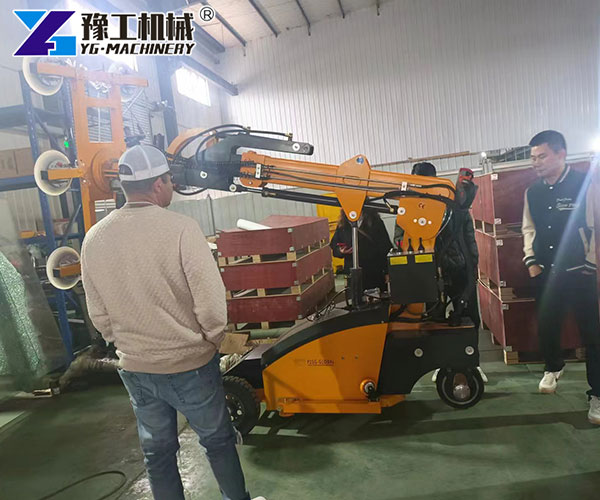
Compared with these methods, a glazing robot offers:
- Higher safety level
- Better positioning accuracy
- Less physical strain on workers
- More consistent daily output
This makes it suitable for repeated and large-scale projects.
When A Glazing Robot Is Not The Right Solution
Even advanced equipment has limits. A glazing robot may not be suitable if:
- Glass panels are small and very light
- Installation height is low and simple
- Jobsite space is too limited for any machine
- Project volume is very small and short-term
Knowing these limits helps buyers choose the right solution and avoid over-investment.
How To Choose The Right Glazing Robot For Your Project
Before buying, users should match the machine to their real needs.
Key points to consider:
- Maximum glass size and weight
- Required lifting height
- Indoor or outdoor working conditions
- Operator training level
- Local service and support availability
Choosing correctly improves efficiency and extends equipment life.
Still don’t know how to choose? Let our experts help you find the perfect solution.
Who Should Consider Investing In A Glazing Robot
A Glazing Robot is a practical investment for:
- Curtain wall and facade contractors
- Commercial building construction companies
- Professional glass installation teams
- Equipment rental businesses serving construction sites
For these users, the robot helps improve safety, control costs, and raise work quality.